



My Planner
To build your own Itinerary, click  to add an item to your Itinerary basket.
Already saved an Itinerary?


Search
- Accommodation
- Things to Do
- What's On
- Food & Drink
- Shopping
Accommodation Search
Things to Do Search
What's On Search
Food & Drink Search
Shopping Search
Accommodation Search
Things to Do Search
What's On Search
Food & Drink Search
Shopping Search
Inspiration
Number of results: 34
, currently showing 1 to 20.
Address
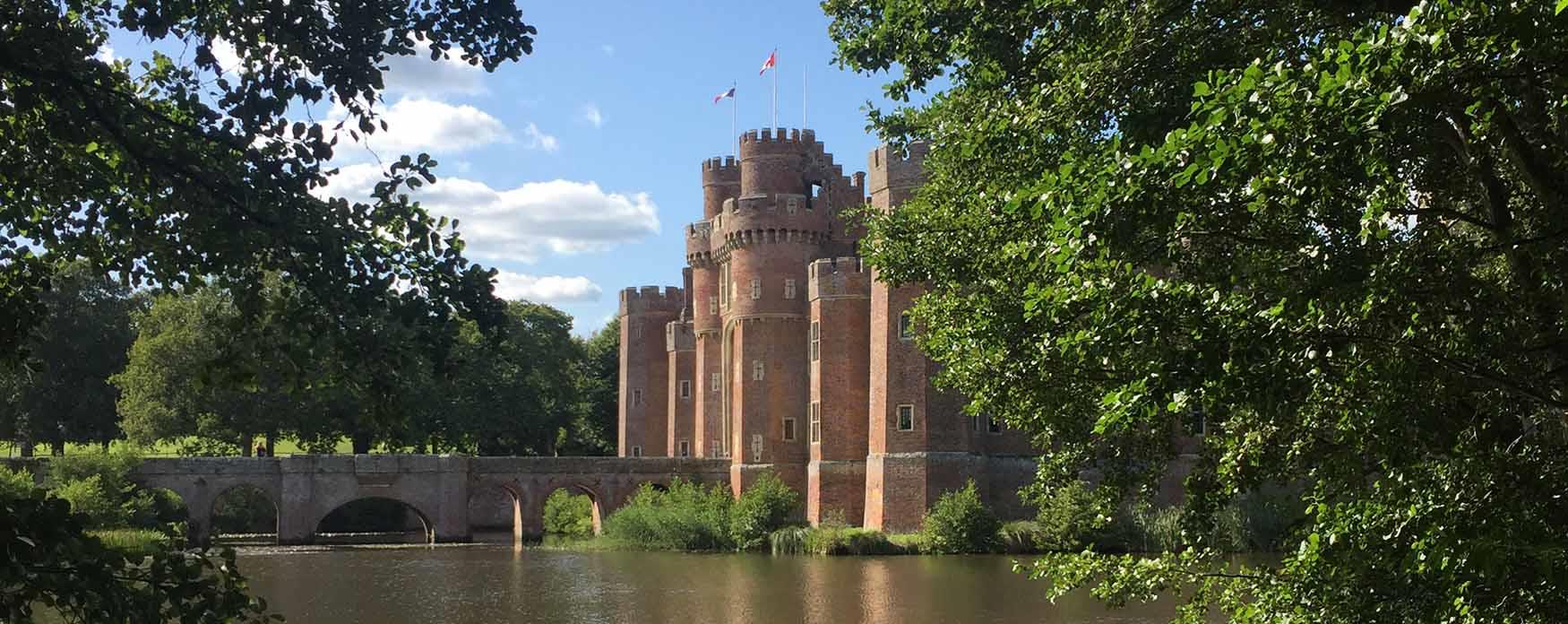
Hailsham, East Sussex, BN27 1RNHerstmonceux is renowned for its magnificent moated castle, set in beautiful parkland and superb Elizabethan gardens.

Address
Upper Dicker, Nr Hailsham, East Sussex, BN27 3QSTelephone
01323 844224Address
Upper Dicker, Nr Hailsham, East Sussex, BN27 3QSDiscover 800 years of history at Michelham Priory House and Gardens, set on a picturesque moated island. Explore interactive historic displays and hands-on children's activities. Stroll through seven acres of beautiful grounds featuring the…
Address
Kind Edwards Parade,, Eastbourne, East Sussex, BN21 4EETelephone
01323 415 415Address
Kind Edwards Parade,, Eastbourne, East Sussex, BN21 4EEThere were 74 Martello Towers built on the south coast between Folkestone and Seaford. Originally the tower immediately to the east of the Eastbourne Redoubt Fortress was numbered 1.
Address
Wilmington, East Sussex, BN26 5SWThe Long Man of Wilmington towers above the village of Wilmington. This faceless outline of a man carved into the chalk, stands 235ft high.
Address
Eastbourne College, Old Wish Road, Eastbourne, East Sussex, BN21 4JYTelephone
01323 415415Address
Eastbourne College, Old Wish Road, Eastbourne, East Sussex, BN21 4JYLocation of Blue Plaque dedicated to the life and work of Proffesor Frederick Soddy, physicist and radiochemist.
Address
7 Motcombe Lane, Eastbourne, East Sussex, BN21 1PSTelephone
01323 415415Address
7 Motcombe Lane, Eastbourne, East Sussex, BN21 1PSThe location of an iron silhouette of Tommy Cooper, dedicated to the brilliant magician and comedian. Located at his former holiday home at 7 Motcombe Lane.
Address
Hodeslea, 10 Staveley Road, Eastbourne, East Sussex, BN20 7JXTelephone
01323 415415Address
Hodeslea, 10 Staveley Road, Eastbourne, East Sussex, BN20 7JXThe location of the historic blue plaque dedicated to the life and work of local Biologist, Professor Thomas Huxley.
Address
St Cyprian's School, 65 Summerdown Road, Eastbourne, East Sussex, BN20 8DQTelephone
01323 415415Address
St Cyprian's School, 65 Summerdown Road, Eastbourne, East Sussex, BN20 8DQ65 Summerdown Road is the location of a Blue Plaque dedicated to the famous students who studied there during their childhood.
Address
14 Milnthorpe Road, Eastbourne, East Sussex, BN20 7NRTelephone
01323 415415Address
14 Milnthorpe Road, Eastbourne, East Sussex, BN20 7NRThe location of the Blue Plaque dedicated to the Antarctic Explorer Sir Ernest Shackleton.
Address
Letheren Place, Eastbourne, East Sussex, BN21 1HLTelephone
01323 415415Address
Letheren Place, Eastbourne, East Sussex, BN21 1HLLocation of Blue Plaque dedicated to former soldiers, inmates, patients and staff of St Marys hospital and barracks.
Address
Folkington, East Sussex, BN26 5SDFolkington Manor is a grade II* listed English country house situated in the hamlet of Folkington, in East Sussex between Lewes and Eastbourne.
Address
Church Street, Hartfield, East Sussex, TN7 4AGThis beautiful 13th. century church is home to a congregation which seeks to combine traditional worship with a forward looking approach within the Anglican Communion.
Address
The Green, East Dean, Eastbourne, BN20 0DATelephone
01323 415 415Address
The Green, East Dean, Eastbourne, BN20 0DASherlock Holmes is a fictional detective created by author and physician Sir Arthur Conan Doyle.
-
Address
Wilmington Street, Lullington, East Sussex, BN26 5UPTelephone
01323 871093Address
Wilmington Street, Lullington, East Sussex, BN26 5UPThis Church, united with Alfriston since 1927 stands on a hill above the Cuckmere Valley, almost hidden in a clump of trees. It has laid claim to being one of the smallest churches in the country.
Address
Muddles Green, Chiddingly, Lewes, East Sussex, BN8 6HWTelephone
01825 872856Address
Muddles Green, Chiddingly, Lewes, East Sussex, BN8 6HWFormer residence of the photographer, Lee Miller and Surrealist Roland Penrose. Now base of the Lee Miller Archives and The Penrose Collection. Open to the public on Sundays between April and October each year.
Address
Wilmington, BN26 5SWCome and learn about the fascinating history of Wilmington Priory, a medieval marvel renovated by the Landmark Trust.
-
Address
Firle, Lewes, East Sussex, BN8 6LPOriginally Tudor, Firle Place is the home of the Gage family and has been for over 500 years.
Address
Barbican House, 169 High Street, Lewes, East Sussex, BN7 1YETelephone
01273 486290Address
Barbican House, 169 High Street, Lewes, East Sussex, BN7 1YE"You can see Lewes lying like a box of toys under a great amphitheatre of chalky hills." So wrote William Morris, one of the many to comment on the idyllic setting of this historic town.
Address
The Tye, Alfriston, Nr Polegate, East Sussex, BN26 5TLTelephone
01323 871961Address
The Tye, Alfriston, Nr Polegate, East Sussex, BN26 5TLRare 14th century Wealden 'hall house' was the first building to be acquired by the National Trust in 1896. Delightful cottage garden in idyllic setting by Cuckmere River.
Address
Firle, Lewes, East Sussex, BN8 6LLCharleston is presented to look as it did when the family lived here. To protect the atmosphere and collection, entry to the house is timed and limited. During popular times you may not be able enter the house straightaway.



Stay updated And Follow Us

Ratings
Powered By



© Eastbourne Borough Council 2026. All Rights Reserved